Swiss premiere: robotics for heart surgery in Basel
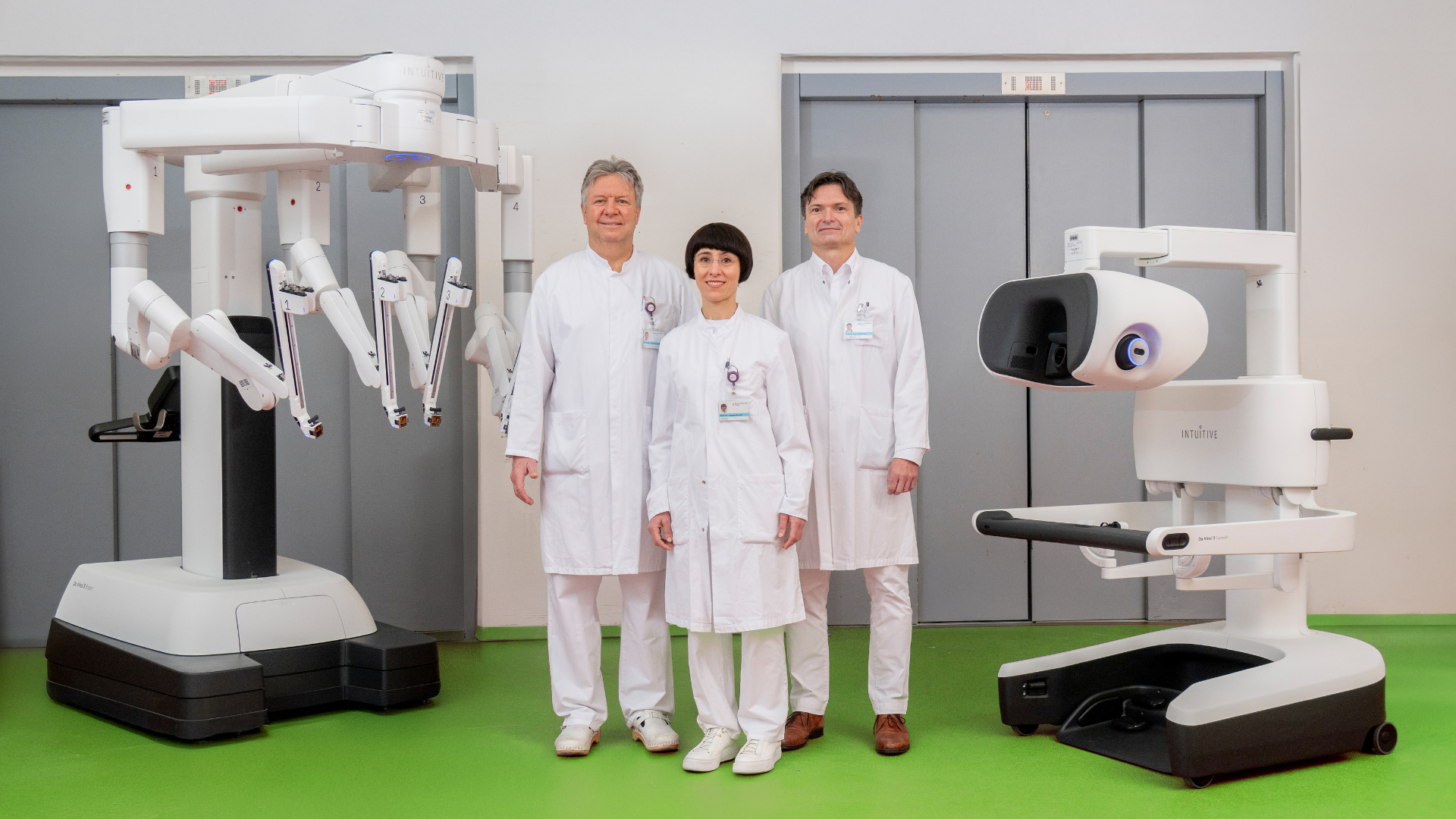
The University Hospital Basel (USB) is setting a milestone in Swiss cardiac surgery: the latest DaVinci 5 surgical robot is being used for the first time for cardiac surgery. Robot-assisted heart surgery complements the new treatment concept, which systematically combines high-tech and human care.
2026-01-26, 10:00
In traditional heart surgery, the sternum is usually cut to create access to the heart. However, this should be avoided wherever possible, especially in older and particularly ill patients, and minimally invasive procedures should be used.
Robotic precision and new care concepts for an improved outcome
The use of the surgical robot is part of a comprehensive treatment concept in which cutting-edge technology and modern care go hand in hand. The new Chief Physician and Head of the Department of Cardiac Surgery at the University Heart Center Basel, Prof. Hassina Baraki, and her team of experts are thus bringing an innovation in cardiac surgery to Basel.
The pioneering treatment approach in cardiac surgery is thus based on two key factors: on the one hand, individualized, minimally invasive surgical techniques and, on the other, structured, interdisciplinary patient care, such as the ERAS concept (Enhanced Recovery After Surgery). The DaVinci 5 robot enables gentle interventions on the heart with maximum precision. Access to the heart is created via small skin incisions, while the sternum remains untouched. Patients benefit from less post-operative pain, faster wound healing and an earlier return to everyday life.
New era of heart surgery thanks to ERAS-Nurse, psychocardiology and prehabilitation
An ERAS nurse is now employed at the Cardiac Surgery Clinic in Basel. As a specially trained ERAS nurse, she accompanies patients through the entire treatment process. She acts as a central point of contact, coordinates the various treatment steps with all departments and ensures that patients are actively involved in their own recovery. This includes holistic preparation for the operation, early mobilization after the procedure, adapted pain therapy and a rapid return to normal nutrition.
Anxiety, stress and depressive symptoms can have a significant impact on the course of heart disease and post-operative recovery. Early psychocardiological support should help to strengthen mental resources and thus give patients the best chance of success. For this reason, patients are "prehabilitated" days or weeks before the operation through specific nutrition and training as well as mental preparation.
"The best medicine combines surgical precision with human closeness," says Prof. Baraki. "After all, we don't just treat an organ, we treat the whole person."
.jpg/jcr:content/Website%20Bild.png)
From left to right: Prof. Oliver Thomas Reuthebuch, Deputy Head of Cardiac Surgery; Prof. Hassina Baraki, Head of Cardiac Surgery, and Prof. Ingo Kutschka, Deputy Head of Cardiac Surgery
Media information center