

Pregnancy, prenatal medicine and birth
In the maternity ward of the University Hospital Basel, your well-being and safety are the focus. This is ensured by our competent team in collaboration with experienced neonatologists from the University Children's Hospital Basel (UKBB) and - if required - with specialists from other disciplines also represented at the University Hospital Basel.
If you have any questions about pregnancy, birth and the puerperium, please contact us at any time at: geburt@usb.ch
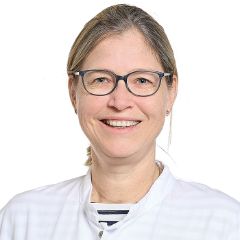
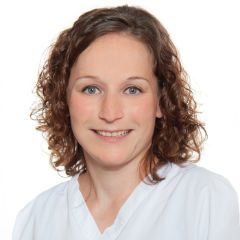
Prof. Beatrice Mosimann
Co-Leiterin Frauenklinik
Chefärztin Geburtshilfe und Pränatalmedizin
Pregnancy
With us, you have the choice: you can either be looked after by your gynecologist during your pregnancy and only come to us for the two obligatory check-ups and for the birth of your child, or you can put yourself entirely in our hands and let our team in the polyclinic provide you with comprehensive support during your pregnancy.
Support in all areas
If there are any problems during your pregnancy that require inpatient treatment, your gynecologist will refer you directly to our maternity ward. An experienced team of midwives, qualified nurses and doctors from the women's clinic will look after you there around the clock. Together with you, the specialists from the neonatology department of the University Children's Hospital Basel (UKBB) and the obstetric anesthesia department will be consulted in order to plan the birth in the best possible way.
We also offer complementary medical treatments such as herbal compresses, massages and the like. A specialist is available at all times for psychological stress situations. Our focus is always on the well-being of the pregnant woman and her family.
Prenatal advice
The counseling center for prenatal examinations was set up on behalf of the cantons of Basel-Stadt and Basel-Landschaft as an independent information and counseling center (in accordance with Art. 17 of the Federal Act on Human Genetic Testing) at the Women's Clinic of the University Hospital Basel. Counseling is provided by qualified physicians specially trained for this task. Counseling is free of charge, subject to confidentiality, can be anonymous if desired and is non-denominational and ideologically neutral. It is offered in German, English and French and includes
- Counseling for women and couples who are unsure whether they want to have an examination, who are looking for alternatives to prenatal diagnostics, or who have a special risk constellation.
- Assistance in the event of abnormal findings. Women and couples are supported in dealing with this information and weighing up various alternatives in dealing with the diagnosis in order to make the right decision for each individual.
- Information about support options and contacts to self-help groups.
Contact
Phone +41 61 265 9393
Midwife consultation
Pregnancy is a moving event for every woman. It is also an exceptional situation that means a significant change for the expectant mother, her partner and family.
Midwife consultations are an additional service to the medical consultations at the Women's Polyclinic and represent an extension of the services offered by the Women's Clinic. Midwives can carry out all examinations required for a normal, healthy pregnancy.
The aim of the check-ups is to assess the health of expectant mothers, advise them and answer their questions. The regular check-ups guarantee medical protection, comprehensive advice and support during the various stages of pregnancy. Examinations such as blood pressure measurement, urine and blood tests, heart rate monitoring and child development are repeated at each check-up. The pregnant woman also receives useful information in the event of physical complaints. In addition to nutritional issues, birth preparation, choice of birthplace and breastfeeding, the consultation also includes detailed discussions on the state of health and well-being of the pregnant woman.
Procedure for preventive check-ups during midwife consultations:
- The first examination is carried out by a doctor from the women's polyclinic. Once the pregnancy has been confirmed and there are no special risks for the pregnant woman, further check-ups are arranged in the midwife's consultation.
- The midwife attaches great importance to continuity of care during the follow-up checks up to the due date.
- The midwives are in constant professional contact with the doctors at the women's clinic. In the event of irregularities or complications during pregnancy, the specialists take over further care.
- The ultrasound checks recommended during pregnancy are always carried out by a doctor and discussed with you.
You can also transfer to the midwife's consultation hours at an advanced stage of pregnancy.
Antenatal care by a midwife is reimbursed by the health insurance company.
Contact
Phone +41 61 328 63 81
Ultrasound during pregnancy
Ultrasound is a diagnostic technique that uses high-frequency sound waves to create images of the internal organs of the unborn child and the expectant mother. Screening can be carried out several times during a pregnancy and for various reasons. In Switzerland, all pregnant women are scheduled for two routine ultrasound examinations:
First trimester (10th - 14th week of pregnancy)
- Determination of the duration of pregnancy and due date
- Checking whether the embryo and placenta are in the right place
- Recognizing multiple pregnancies
- Detection of some malformations or diseases of the child
- Measurement of nuchal translucency as an indication of a possible chromosomal disorder (e.g. Down's syndrome)
- Exclusion or diagnosis of a possible ectopic pregnancy or miscarriage
Second trimester (20th - 22nd week of pregnancy)
- Testing the amount of amniotic fluid
- Determining the position of the placenta and the position of the child
- Monitoring of fetal growth and examination of the organs
- Measurement of the length of the cervix
- Possible determination of the child's gender (on request)
- Recognition of severe malformations
- Supporting measures for invasive procedures such as amniocentesis or umbilical cord puncture
In addition to routine examinations, we also look after high-risk pregnancies, for example in the case of fetal malformations or growth disorders as well as congenital diseases. We are also happy to provide a second opinion.
If necessary, especially in the case of high-risk pregnancies, a further ultrasound examination is carried out in the third trimester (30th - 32nd week of pregnancy). For patients at risk of developing fetal deficiencies, a double sonography can be used to examine the blood flow to the placenta and fetus.
If medically appropriate, 3D and 4D sonography are used to answer questions. A 3D ultrasound scan produces a three-dimensional image that allows the doctor to see the width, height and depth of the images. With 4D ultrasound technology, a three-dimensional image is continuously updated and thus offers a "live animation".
Prenatal cardiac ultrasound
Further information on ultrasound examinations
The following information is intended to give you an overview of how the prenatal diagnosticians, neonatologists and pediatric cardiologists at the University Hospital Basel (USB and UKBB) proceed in cases of suspected heart disease (congenital heart defect or cardiac arrhythmia).
What can fetal echocardiography do and why is it carried out?
The heart ultrasound examination during pregnancy (fetal echocardiography) can be used to examine the structure and function of your child's heart. Using the latest high-resolution ultrasound methods (including 3D methods), the fetal blood circulation, the heart chambers, the heart valves and the vessels for the pulmonary and systemic circulation are visualized. In most examinations, gynecologists and prenatal diagnosticians see a normally developing heart.
However, heart defects are among the most common congenital malformations. Around one in 100 newborns worldwide has a heart malformation. In Switzerland, around 600-800 newborns are born with a heart defect every year (Swiss Heart Foundation).
Most heart defects can be detected prenatally by fetal echocardiography. This makes it possible for the pediatric cardiologists and neonatologists at the UKBB to provide comprehensive advice at an early stage and to plan the care of your child after birth.
When is the best time for a fetal echocardiogram?
The optimal time for an examination of the baby's heart is between the 20th and 22nd week of pregnancy. However, the fetal heart can already be assessed by experienced examiners in the 12th to 14th week of pregnancy. International studies show that over 70% of heart defects can be ruled out at this early stage.
What are the indications for detailed fetal echocardiography?
The fetal heart is examined during every pregnancy as part of preventive care. In the case of certain risk factors, a more extensive cardiac ultrasound examination by a specialist at a center is recommended.
This should be considered in the following situations:
- The gynecologist has detected an abnormality of the heart during the check-up (in terms of structure, function, heart rhythm)
- Your child had an increased nuchal translucency and the genetic tests were unremarkable
- You as parents or one of your children have a congenital heart defect
- You as the mother have diabetes mellitus, a metabolic disease (e.g. phenylketonuria) or a rheumatic disease (e.g. systemic lupus erythematosus, Sjögren's syndrome)
- Your child has been diagnosed with malformations of other organs or delayed growth
- Your child has been diagnosed with a chromosomal abnormality (e.g. trisomy 21)
- You had contact with substances potentially harmful to the fetus in early pregnancy
Source: Recommendation for ultrasound examinations during pregnancy from the Swiss Society for Ultrasound in Medicine, Gynecology and Obstetrics Section, 2019.
How do we proceed if the suspicion of a heart defect is confirmed?
An interdisciplinary team of prenatal diagnosticians, neonatologists and pediatric cardiologists is available to provide you with information, support and plan the next steps.
Our aim is to provide you with comprehensive and individual advice and support in this stressful situation in an atmosphere of trust and openness.
Please contact us personally and talk to us.
Prof. Gwendolin Manegold-Brauer, Head of Prenatal Diagnostics, USB
+41 61 265 90 46
Prof. Birgit Donner, Head of Pediatric Cardiology, UKBB
+41 61 704 12 12
Psychosocial medicine
An intact environment or financial security are important factors for a positive pregnancy. Pregnancies in patients with substance abuse or a psychiatric illness, for example, or who belong to a socially vulnerable group, are at a higher risk for mother and child.
A multidisciplinary team of social workers, neonatologists, psychologists and midwives can provide competent advice to those affected and, if necessary, guarantee close support.
Contact
Phone +41 61 328 53 21
Pregnancy advice center Basel-Stadt
We are the official advice center for sexual and reproductive health of the Canton of Basel-Stadt.
Would you like confidential advice on sexual health, contraception, pregnancy or abortion? A specialist is available to provide free advice to anyone from the canton of Basel-Stadt.
Please get in touch with us:
Tel.: +41 61 328 53 21
Consultation hours: Monday to Friday during office hours
Our address: Spitalstrasse 21, 4031 Basel
Ultrasound, prenatal diagnostics: everything you need to know
Ultrasound during pregnancy: which examinations take place and when?
Prenatal diagnostics: NIPT, invasive diagnostics and pre-eclampsia screening explained
Ultrasound during pregnancy: which examinations take place and when?
Prenatal diagnostics: NIPT, invasive diagnostics and pre-eclampsia screening explained
At the Perinatal Center Basel, we ensure optimal care for pregnant women as well as premature and newborn babies before, during and after birth: Our team of midwives, nurses and specialized doctors will accompany and support you during pregnancy, birth and the postpartum period.
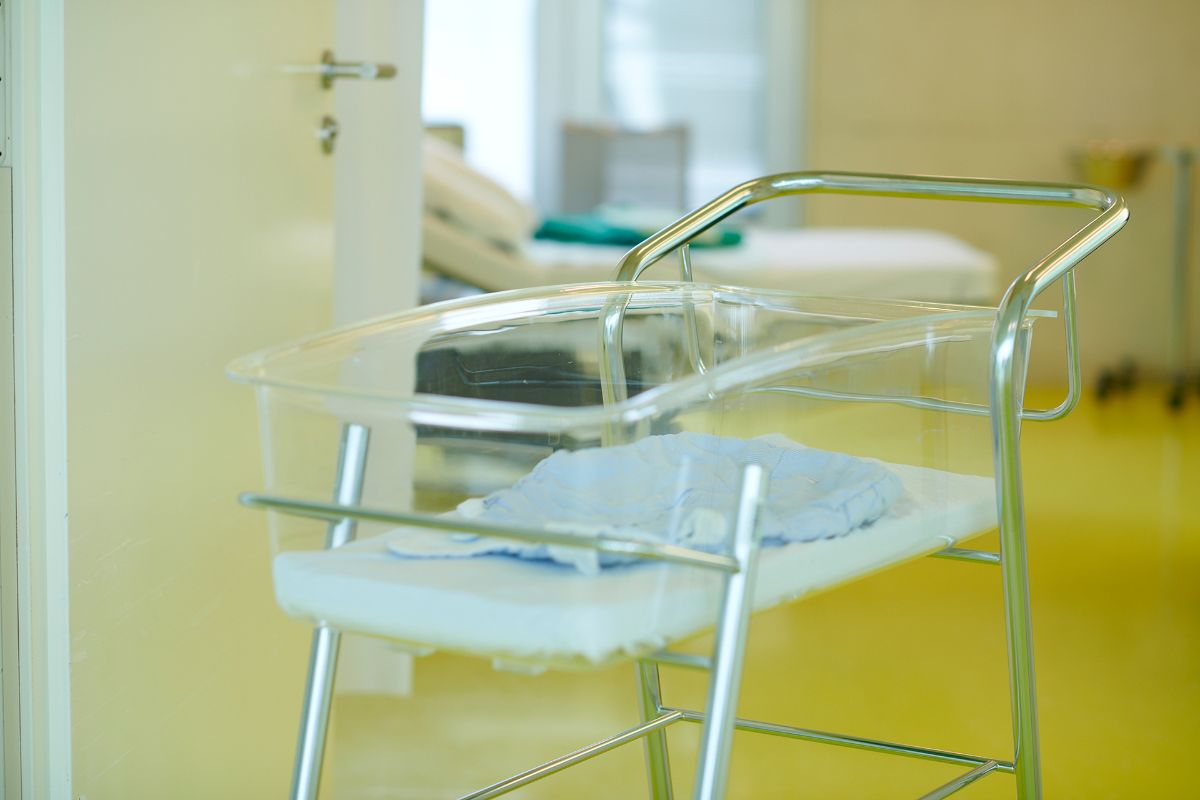
Preparing for your birth
Every year, over 2,700 children are born at our hospital, making us the hospital with the most births in the region. We pass on the experience we have gained from this directly and competently to you and try to make your birth experience as positive as possible.
Our specialists are made up of various professional groups: Obstetricians, midwives, anesthetists and nurses work hand in hand and in constant exchange.
Every year, over 2,700 children are born at our hospital, making us the hospital with the most births in the region. We pass on the experience we have gained from this directly and competently to you and try to make your birth experience as positive as possible.
Our specialists are made up of various professional groups: Obstetricians, midwives, anesthetists and nurses work hand in hand and in constant exchange.
Delivery, birth, caesarean section: everything you need to know
Induce birth: When and how is it done?
The epidural for pain therapy during childbirth and anesthesia for caesarean sections
Vacuum or forceps: when is a vaginal-operative birth necessary?
Caesarean section: When does it make sense - and what are the advantages and disadvantages?
Well prepared for a caesarean section: what you need to know
Induce birth: When and how is it done?
The epidural for pain therapy during childbirth and anesthesia for caesarean sections
Vacuum or forceps: when is a vaginal-operative birth necessary?
Caesarean section: When does it make sense - and what are the advantages and disadvantages?
Well prepared for a caesarean section: what you need to know
Information evenings
On the first Tuesday of every month, the Department of Obstetrics and Pregnancy Medicine at the Women's Hospital of the University Hospital Basel invites expectant parents to an information evening. In addition to a presentation of the maternity and mother-child department, the neonatology, anaesthesia, nursing and midwifery teams briefly introduce themselves.
Afterwards, visitors will have the opportunity to ask questions to the specialists present.
The next dates in German:
- 06. January 2026
- 03. February 2026
- 03. March 2026
- 07. April 2026
- 05. May 2026
- 02. June 2026
- 07. July 2026
- 04. August 2026
- 01. September 2026
- 06. October 2026
- 03. November 2026
- 01. December 2026
The events will take place from 6.30 p.m. to approx. 8.00 p.m. in the lecture hall 1, inside the Spitalstrasse 1. The route will be signposted.
Note: Please find the dates for the Information evenings in English here.
Courses for pregnant women
Midwives with additional training provide you with comprehensive information about pregnancy, birth, postpartum and the first time as parents in the antenatal classes at the Women's Clinic of the University Hospital Basel.
We recommend that you attend a course from the 28th week of pregnancy and, if possible, no later than five weeks before the expected date of delivery
Birth registration
For a birth in the women's clinic, it helps us if you register early. This supports the administrative process and helps to make your admission as smooth as possible.
As a rule, you will be registered for the birth by your attending doctor. If you have any questions about your registration, please contact us as follows:
University Hospital Basel, Women's Clinic
Birth Admission Office
Spitalstrasse 21
4031 Basel
Phone +41 61 265 91 91
You can also visit us for this purpose (Monday to Friday from 09.00-12.15 and 13.00-16.00).
Midwife-led birth
Confidently accompanied natural birth
With this extended obstetric service, you will be accompanied through the birth independently and on your own responsibility by the midwives. If necessary, medical support can be called in quickly around the clock.
Midwife-led birth in hospital is already an established model of care in other countries, which is supported by international studies regarding its benefits. If you are interested in a midwife-led birth at the University Hospital Basel, we offer you a preliminary consultation around the 36th week of pregnancy to discuss the options and your questions.
A midwife-led birth is possible if
- you are healthy.
- the pregnancy has proceeded without complications.
- you have attended the preliminary consultation and have been informed about the aspects and criteria.
Umbilical cord blood donation
The blood that remains in the child's umbilical cord and placenta after birth contains a large quantity of life-saving blood stem cells. These cells can be used for transplantation as an alternative to bone marrow or peripheral blood stem cells in cases of leukemia, other serious blood diseases or rare immunological diseases.
The umbilical cord blood can be removed from the umbilical cord and placenta and stored after the child has been born and the umbilical cord has been cut off, without any risk to you or your child. By storing it in a public umbilical cord blood bank, the donated blood stem cells are available for the treatment of all patients worldwide who are in need of a blood stem cell transplant.
Public umbilical cord blood donation
All information and documents for public umbilical cord blood donation can be found on the Cord Blood Bank Basel website.
Private umbilical cord blood donation
The University Hospital Basel does not offer storage of umbilical cord blood for personal use. Parents who are interested in private umbilical cord blood donation should find out in advance about the various options and prices from private providers.
Private umbilical cord blood banks are usually operated by companies organized under private law. They store umbilical cord blood from healthy newborns at the request of the parents for the child itself or for its family. These stem cells are then available to the child and can probably also be used in adulthood. The costs for the private donation are borne by the parents.
Private umbilical cord blood donation
The University Hospital Basel does not offer storage of umbilical cord blood for personal use. Parents who are interested in private umbilical cord blood donation should find out in advance about the various options and prices from private providers.
Private umbilical cord blood banks are usually operated by companies organized under private law. They store umbilical cord blood from healthy newborns at the request of the parents for the child itself or for its family. These stem cells are then available to the child and can probably also be used in adulthood. The costs for the private donation are borne by the parents.
Cristina Granado
Garazi Otegui Beldarrain
Catherine Rapp
QM Cord Blood Donation, Midwife
Umbilical cord blood donation
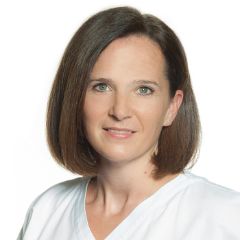
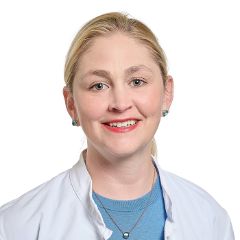
Prof. Gwendolin Manegold-Brauer
Stv. Chefärztin Geburtshilfe und Pränatalmedizin
Leitende Ärztin gynäkologische Sonographie und Pränataldiagnostik
FMH Gynäkologie und Geburtshilfe, FMH Schwerpunkt feto-maternale Medizin, DEGUM III für Gynäkologische Sonographie und pränatale Diagnostik

Your stay in the maternity ward
We focus on the individual needs of our expectant mothers and their safety. Our team looks after you around the clock. A senior physician and a pediatrician are always present. An anaesthetist is on site 24 hours a day for any anaesthetic or caesarean section.
Emergency number, questions about pregnancy and birth, appointments or antenatal consultations
around the clock, telephone +41 61 328 63 81
Information on birth registration
Phone +41 61 265 91 91
anmeldung.geburt@usb.ch
The entrance
We focus on the individual needs of our expectant mothers and their safety. Our team looks after you around the clock. A senior physician and a pediatrician are always present. An anaesthetist is on site 24 hours a day for any anaesthetic or caesarean section.
Coronavirus and COVID-19 visitor restrictions until further notice:
Further information can be found here.
Your entry
Please bring the following for the delivery:
- Wide, comfortable T-shirt for the birth
- Wide, comfortable pants (jogging pants, leggings)
- Sweatshirt/trainer jacket
- Warm socks
- Pyjamas/nightgown (suitable for breastfeeding, i.e. can be opened at the front)
- Bathrobe
- Glasses for contact lens wearers
- Slippers
- Nursing bras
- Underwear
- Toiletries and hygiene products (including lip balm, hair bands/clips and so on)
- Medication
- Miscellaneous: writing utensils, reading material, camera, cell phone, chargers, iPad and so on
- Snacks (such as muesli bars) for the father-to-be
Documents:
- Name card for your child
- Blood group card and vaccination card
- Mother's passport or medical report
- Documents for the Basel-Stadt registry office
Clothes for the newborn
During your stay at the Women's Clinic, we will provide you with clothes for your baby. Of course, you may bring cuddly toys, music boxes, dummies or similar items for your baby to the hospital.
For the journey home on the day of discharge, you will need clothing appropriate to the season, a hat (mittens in winter) and, depending on the means of transport, a baby carrier, baby carrier system or baby carriage. We are pleased to be able to present you with our bonding top as a birth gift. Bonding and direct skin-to-skin contact help you to develop a secure sensitivity to your newborn's needs. This also promotes lactation and parent-child bonding.
Health insurance for the newborn
It is advisable to register your child with a health insurance company of your choice before birth. If the child's insurance cover is lower than that of the mother, the mother will otherwise be charged for any additional costs not covered.
Offer
Our aim is to enable the birthing woman to give birth as naturally as possible without jeopardizing the safety of mother and child. Occasionally, supportive medical measures may be necessary or complementary methods may be used, such as aromatherapy, homeopathy, acupuncture or music. Possible alternatives to the birthing bed are the maya stool, the birthing mat and the birthing bathtub.
There are eight birthing rooms available, two of which have a birthing bathtub. There is also a bathroom with a bathtub for relaxation baths, especially at the beginning of the birth. Directly next to the birthing rooms is the operating room, including the neonatology supply unit, where any necessary caesarean section can be performed within a very short time. Directly adjacent to the maternity ward is the neonatology department with the neonatal intensive care unit.
Outpatient management after premature rupture of membranes
If you come to us with a ruptured membranes around your due date, you have the option of going home or staying in hospital until the next agreed check-up. The prerequisite for going home again is that you have had a pregnancy without complications, have had little or no contractions and that you and your child are doing well. The advantage is that you can stay in your familiar surroundings for as long as possible and the normal course of the birth is promoted. The University Hospital Basel has been successfully offering this option since 2012 to the satisfaction of pregnant women and those accompanying them.
Contact maternity ward (delivery room)
Tel. +41 61 265 90 49
Phone +41 61 265 90 50
Management
Pregnancy and postnatal department
Visiting hours
For the benefit of our patients, the following visiting hours apply (from January 1, 2024) in the maternity and postnatal ward
- 1 caregiver: 10 am to 9 pm
- Siblings: 2 p.m. to 7 p.m.
- Lunchtime rest: 12.30 to 2 p.m.
Visits to the antenatal and postnatal ward are permitted for the partner or one caregiver and siblings.
Your entry
Accompanied by your midwife, you (together with your family) will be transferred from the maternity ward to the antenatal and postnatal ward. In your room, you will be handed over to the nurse/midwife in the antenatal and postnatal ward. During your stay with us, you will be professionally accompanied and supported by an interprofessional and interdisciplinary team of doctors, qualified nurses, midwives, breastfeeding consultants and physiotherapists.
Family room
We offer you the option of a family room so that you can be among yourselves for the first time after the birth and start the new phase of life together as a family.
Please note that rooms are limited. Please contact us to find out more!
The current fees can be found in the price list under point 5.2 (valid from 01.07.2025).
Bonding
We encourage early skin-to-skin contact with your baby immediately after birth, regardless of the birth mode. Bonding is also an important part of the stay - with the mother as well as with the father.
Nutrition and breastfeeding
From the very beginning, we will support you with feeding and breastfeeding your newborn baby. We will guide you personally and specifically, even if you are temporarily separated from your child. At the University Hospital Basel, we hold and live the BFHI label(Baby Friendly Hospital Initiative Label) from UNICEF.
Rooming-in
Rooming-in allows mother and child to be together day and night. It supports the newborn's nutrition, helps the child get to know the mother and promotes the development of a relationship.
Care of the newborn
We teach you as parents how to care for, change and handle your newborn baby so that you gain confidence and competence.
Contact us
Phone +41 61 328 70 86
Team

Corinne Grolimund
Stationsleitung Frauenklinik 3.2
Schwangeren- und Wochenbettabteilung

Further information on leaving obstetrics (German/English)
Further information on leaving obstetrics
After the birth
Even after the birth, you are always well looked after with us. Here you will find an overview of further sources of information and important topics relating to the first time after the birth.
Aftercare at home
Together with the "FamilyStart beider Basel" midwife network, we offer families with newborns coordinated, safe and professional follow-up care after leaving hospital. The focus is on telephone advice and arranging midwives from the region for home visits. Questions about the baby's health and care as well as the mother's well-being are answered. FamiliyStart also offers information on Spitex home help or meal services to make the time after the birth as stress-free as possible.
The FamiliyStart offer includes home care by a midwife with 10 visits within the first 56 days. For first-time mothers, multiples or a disabled child, this can be up to 16 midwife visits.
If you have not yet found a midwife for follow-up care before the birth, the FamilyStart network will organize a midwife to visit you at home for the first time the day after you leave hospital.
Support for foreign-language families
FamilyStart also supports foreign-language families and looks for a midwife with the appropriate language skills for the home visits. If this is not possible, the midwives in the FamilyStart network have the option of using a telephone interpreting service during the home visits. To this end, FamilyStart works together with the national telephone interpreting service , which provides interpreting services for over 50 languages.
These services for home visits are financed by the Gesellschaft für das Gute und Gemeinnützige (GGG).
Further information
Postnatal courses
A postnatal course is recommended for all women after giving birth.
During pregnancy and childbirth, your body has changed and performed at its best. Afterwards, it is important to consciously turn to your own body and well-being. Our course is aimed at women who want to activate and relax the pelvic floor and the muscles of the abdomen and back in a restorative workout. New strength and stability will give you a positive body image and help prevent persistent pelvic floor weakness.
Breastfeeding advice
Breastfeeding strengthens the mother-child relationship and means affection, closeness and warmth for the child. Breastfeeding promotes the growth and prosperity of the child and has a positive influence on the development of the immune system.
Breastfeeding is a joint learning process for mother and child that takes time and patience. Our breastfeeding advice team will advise and support you on request during pregnancy and birth, as well as after the birth, on all questions relating to child nutrition and breastfeeding.
Swiss Foundation for the Promotion of Breastfeeding
La Leche League
Outpatient and inpatient breastfeeding advice:
Monday-Friday from 8 a.m. to 5 p.m.
Outpatient appointments by appointment by telephone
Women's clinic/pregnancy and postnatal department, Spitalstr. 21, 3rd floor,
Phone +41 61 265 90 94
Contact us
Outpatient and inpatient breastfeeding counseling:
Team of IBCLC lactation consultants/nursing specialists
Monday-Friday from 8 a.m. to 5 p.m.
Outpatient appointments by telephone appointment
Women's clinic
Pregnancy and postnatal ward
Spitalstrasse 21, 3rd floor,
Phone +41 61 265 90 94
stillberatung@usb.ch
Postpartum, Home with baby: everything you need to know
Rest in the postpartum period: why it is so important for mother and child
Home with the baby: What you should bear in mind when leaving hospital
Complications in the postpartum period: when should you seek medical help?
Rest in the postpartum period: why it is so important for mother and child
Home with the baby: What you should bear in mind when leaving hospital
Complications in the postpartum period: when should you seek medical help?