

Basel Cell Therapy Symposium
3rd Basel Cell Therapy Symposium 2026
Welcome to the 3rd Basel Cell Therapy Symposium:
This one and a half-day symposium, organized by the University Center for Cell Therapies and Immunomodulation / Innovation Focus Cell Therapies of the University Hospital Basel, will be held on January 8–9, 2026, in the Pharmacenter (Klingelbergstrasse 50, Basel).
Our program will showcase cutting-edge research on non-engineered lymphocytes, engineered lymphocytes, providing latest advancements in cell therapies and insights into engineered stem cells. This meeting aims to foster interaction and exchange of scientific ideas among clinicians, scientists, and other stakeholders in the field.
We will also give the opportunity to young researchers to present their work through talks selected from abstracts and poster sessions.
We look forward to welcome you to the Basel Cell Therapy Symposium.
The Symposium organizing Team

Previous symposia
Program
All contributions will be in English.
Recognized continuing education
The symposium has been accredited by the The Swiss Society of Hematology and the The Swiss Society of Medical Oncology and entitles participants to continuing education credits:
- SGH-SSH: 8 credit points
- SSMO-SGMO-SSOM: 8 credit points
Speakers
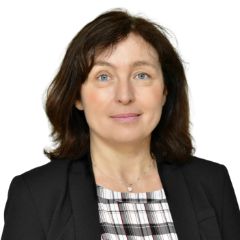
Britta Eiz-Vesper
Head of the Research Department at the Institute for Transfusion Medicine and Transplant Engineering at Hannover Medical School, alloCELL Laboratory and T-Cell Donor Registry, Hannover Medical School, Germany
Professor Britta Eiz-Vesper is a university professor and head of the research department at the Institute for Transfusion Medicine and Transplant Engineering at Hannover Medical School.
Her work focuses on cellular immunotherapy against infectious and tumour diseases by using natural and genetically modified antigen-specific T cells. She has developed and established extensive procedures for donor identification, generation of cellular products and immuno-monitoring of patients before and after stem cell and organ transplantation.
Professor Britta Eiz-Vesper is considered a pioneer in allogeneic immunotherapy with third-party donors. Together with Professor Britta Maecker-Kolhoff, she established the world's first register of healthy donors for virus-specific T cells (www.alloCELL.org) and has become the largest manufacturer of antigen-specific T cell preparations in Europe.
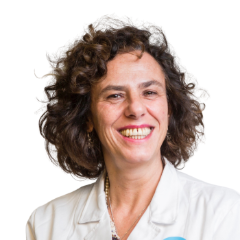
Chiara Bonini
Head of the Experimental Hematology Unit, Division of Immunology, Transplantation and Infectious Diseases, IRCCS San Raffaele Scientific Institute, Milan, Italy
Professor Chiara Bonini’s main research focus is the development, preclinical and clinical validation of cell and gene therapy approaches to treat cancer.
She pioneered the clinical use of genetically engineered lymphocytes in the context of stem cell transplantation, leading to the first cell-based gene therapy product approved by EMA for oncologic diseases. Her group has extensive experience on cancer immunotherapy, genetic manipulation of T cells, including TCR/CAR gene transfer. In particular, she developed the TCR gene editing approach to completely and permanently redirect T cell specificity.
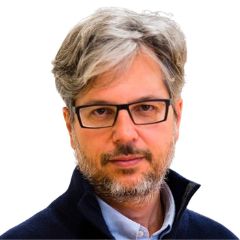
Luca Gattinoni
Head of Research Division Functional Immune Cell Modulation | Leibniz Institute for Immunotherapy and Universitätsklinikum Regensburg, Germany
In recent developments, Professor Gattinoni has broken new ground by establishing a clinical-grade manufacturing platform for the production of CAR-modified Tscm cells and by initiating a first-in-human study to test the safety and efficacy of donor-derived CD19-CAR Tscm cells (NCT01087294).
Professor Gattinoni’s current research endeavors are concentrated on reprogramming the fate and function of T cells. These strategic approaches encompass both pharmacologic and genetic interventions, targeting key transcription factors, epigenetic regulators, microRNAs, and metabolic pathways. These strategies collectively aim to promote a stem cell-like behavior in T cells, offering promising avenues for advancing immunotherapies in the fight against cancer.
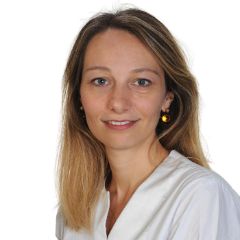
Chiara F. Magnani
Assistant Professor, SNSF PRIMA Department of Medical Oncology and Hematology | University Hospital Zürich and University of Zürich
Prof. Chiara Magnani research seeks to take advantage of non-viral T cell engineering to timely implement a flexible and sustainable platform for next-generation CAR T immunotherapy. Indeed, despite important clinical success generated by CAR T cell-mediated immunotherapy in hemato-oncological diseases, the emergence of cases of resistance to single-target CAR T cells, the complexity of manufacturing, and the tumor microenvironment have limited progress in the field. Her team is designing non-viral next-generation CAR T cells, capable of recognizing more targets on tumor cells and designed to be less prone to tumor microenvironment inhibition. Non-viral gene transfer technology enables stable transgene expression and increased DNA carrying capacity through a simplified process with reduced costs and increased biosafety. They demonstrated that non-viral vectors can be used to achieve treatment of patients with fulminant relapse, using donor-derived anti-CD19 CAR T cells generated with Sleeping Beauty (SB) transposon in B-cell acute lymphoblastic leukemia (B-ALL) patients relapsed after HSCT. This is the first study in Europe using CAR T cells engineenered with the SB system.

Raffaella Di Micco
Associate Professor, University School of Advanced Studies IUSS, Pavia, Italy | Group leader, Senescence in stem cell aging, differentiation and cancer Unit, San Raffaele Telethon Institute for Gene Therapy, IRCCS San Raffaele Scientific Institute, Milan, Italy
Dr. Di Micco's group aims at dissecting and targeting senescence programs in normal, aged and malignant hematopoiesis. They conduct advanced research on the development of leukemia and cellular stress responses in hematopoietic stem cells in gene therapy contexts. Her work includes significant studies on DNA damage response; i.e. oncogene-induced senescence, epigenetic regulation of stem cell functionality and the role of DDR responses following genetic engineering approaches. Her multidisciplinary research group integrates basic biology with translational and applied research to advance the understanding of mechanisms regulating blood-related diseases linked to aging and to develop innovative therapies.
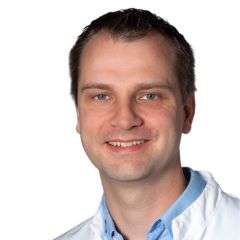
Tim Sauer
Attending Physician, Head of the Taskforce for Acute Myeloid Leukaemia (AML) and Myeloproliferative Neoplasms (MPN) | Medical Clinic (Krehl Clinic) / Centre for Internal Medicine / Clinic for Haematology, Oncology and Rheumatology / Internal Medicine V | University Hospital Heidelberg, Germany
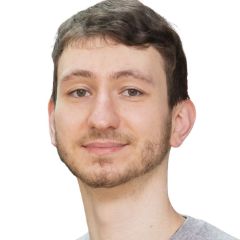
Dominik Schmiedel
Group Leader NK Cell Technologies | Fraunhofer Institute for Cell Therapy and Immunology IZI | Department for Cell and Gene Therapy Development, Leipzig, Germany
Dr. Dominik Schmiedel’s team is using state-of-the-art genetic engineering techniques to enable natural killer (NK) cells to efficiently fight cancer cells. NK cells are part of the innate immune system, and NK cell-based advanced therapy medicinal products (ATMPs) can be produced from healthy donor cells, creating an "off-the-shelf" product that can be delivered to many patients. Current therapeutic approaches using NK cells, while very safe for patients, are often not effective enough to permanently reduce tumor burden. Dominik Schmiedel’s team focus on various approaches to increase the cytotoxicity of NK cells against tumor cells.
Federico Simonetta
Head of Cell Therapy Deputy Head of Division of Hematology, Department of Oncology, Geneva University Hospitals, Geneva, Switzerland
Dr. Federico Simonetta’s research group studies immunological mechanisms underlying the efficacy and the toxicities of adoptive cell therapies including allogeneic hematopoietic stem cell transplantation (HSCT) and chimeric antigen receptor (CAR) T cells.
Allogeneic hematopoietic cell transplantation (HSCT) is a well-established therapy for a broad range of hematologic malignancies but is still associated with significant morbidity and mortality related to graft versus host disease (GvHD). In Dr. Simonetta’s lab, they analyse preclinical models of cancer and GvHD as well as clinical samples from their patient cohort to understand immunological processes leading to cancer relapse and GvHD after allogeneic HSCT. His group aim to identify biomarkers to predict post-transplant complications and to develop strategies to identify them before they occur. Moreover, they investigate therapeutic approaches to prevent GvHD using immunoregulatory cells, including regulatory T cells (Treg).
Registration
The registration is now open: Register here.
Registration is free for academic members.
Registration Fees for Industry: CHF 600
Registration and abstract submission is closed
Venue
Pharmacenter
Klingelbergstrasse 50
4056 Basel
Phone +41 61 207 21 11
contact form
Contact
Do not hesitate to contact us for any questions via e-mail zelltherapien@usb.ch.
Contributors
We would like to thank all the generous support of sponsors and exhibitors.
Contact zelltherapien@usb.ch.
Exhibitors
Sponsors